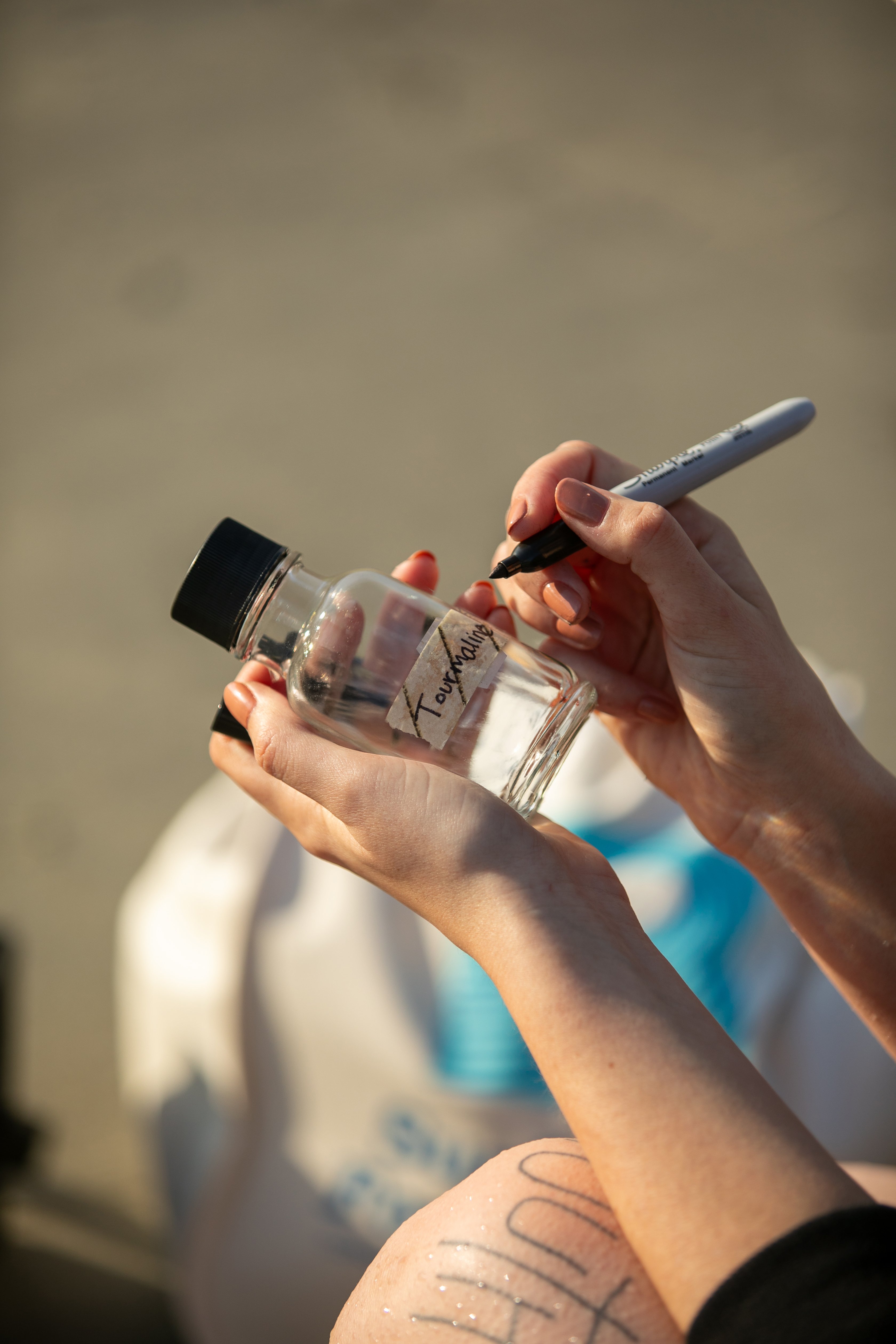
When you head to the beach on a sunny San Diego afternoon, the last thing you’re probably thinking about is how the water quality is tested to ensure it’s safe for swimming. Most of us simply trust the sign at the beach. If the water is safe, we swim. If there’s an advisory, we think twice. Behind those decisions, however, are both community and government organizations, all working toward the same goal: protecting public health.
One Goal, Different Approaches
San Diego County and the Surfrider Foundation’s Blue Water Task Force both monitor coastal water quality, but they play different roles.
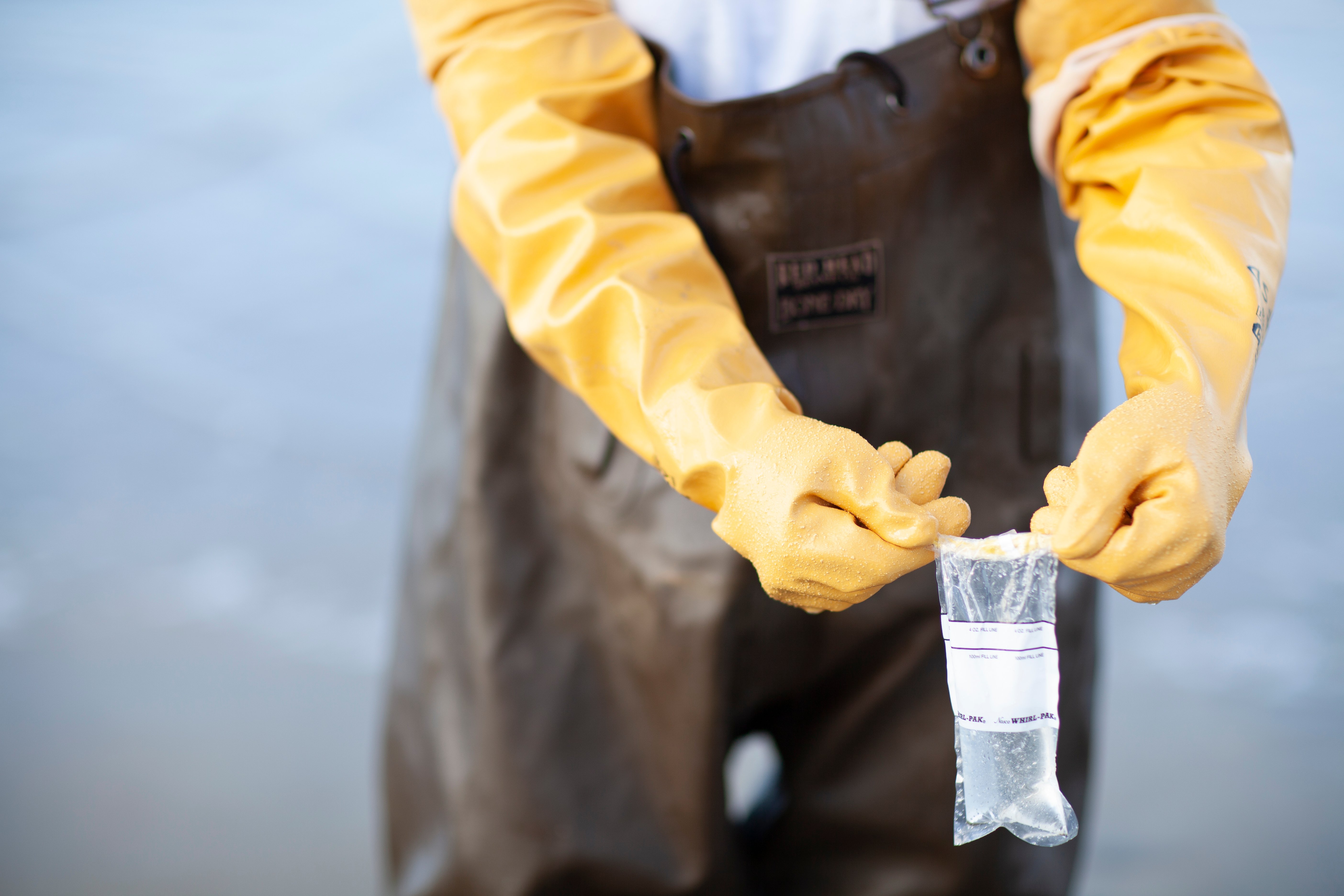
The County operates an official public health monitoring program responsible for issuing beach advisories and closures. Their priority is providing timely information so the public can make informed decisions before heading into the water.
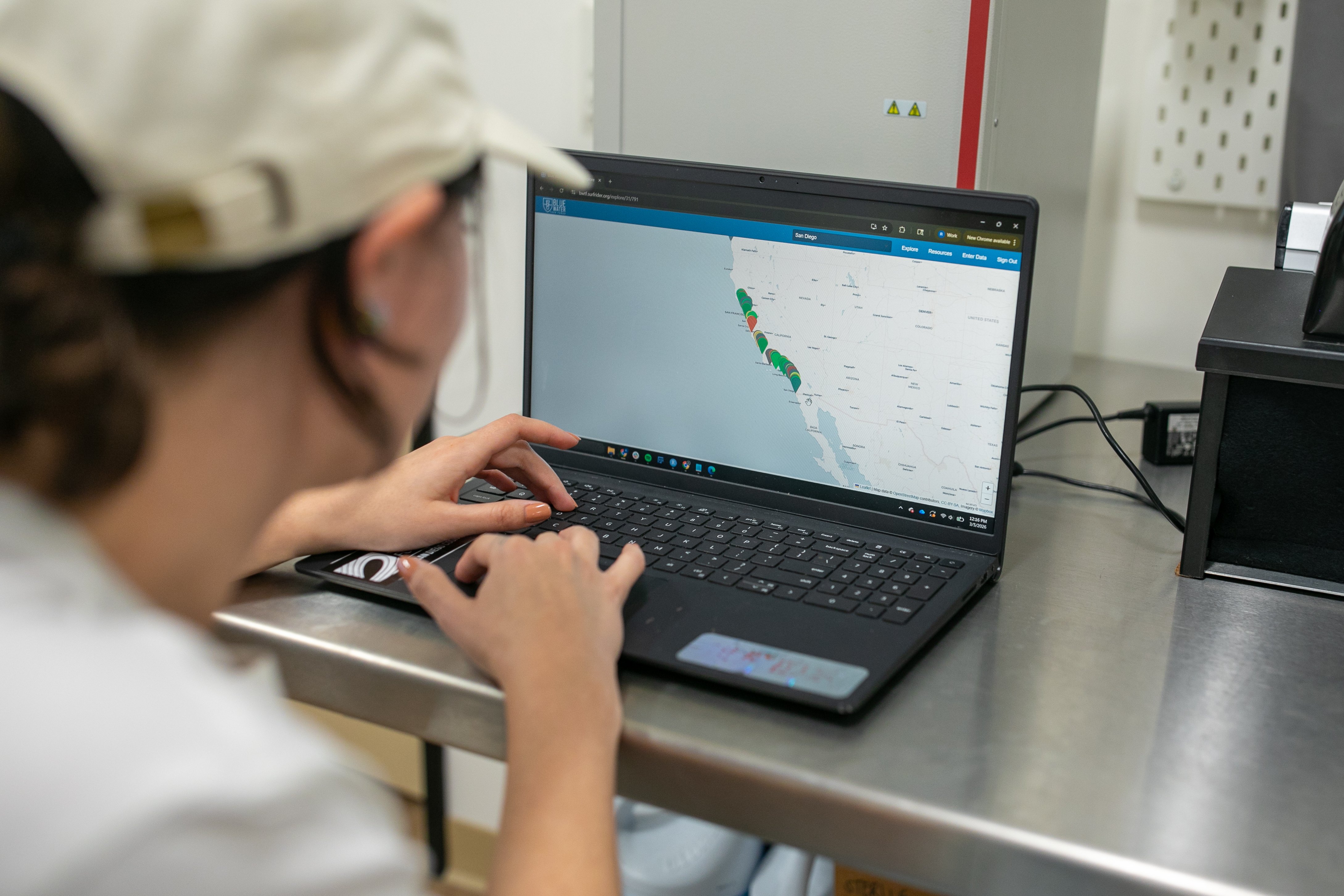
Surfrider’s Blue Water Task Force complements those efforts by monitoring additional beaches, particularly beaches in North and Central San Diego County that are not routinely included in the County's monitoring program. Surfrider’s work expands our understanding of local water quality and gives communities more information about the places they love.
Both organizations are asking the same question. Is this water safe for people today? The difference is how they answer it.
Two Tests Looking at the Same Problem
Both programs measure enterococcus, a type of bacteria widely used as an indicator of fecal contamination in ocean water. High levels suggest that disease-causing organisms may also be present, increasing the risk of illness for swimmers.
The two testing methods, however, work very differently.
Enterolert is a culture-based test that looks for living enterococcus bacteria capable of growing under laboratory conditions. It’s been a trusted method for years and is still used by many agency-run, beach monitoring programs around the country and community science programs like Surfrider’s Blue Water Task Force.
Droplet digital PCR (ddPCR) takes a different approach. Instead of growing bacteria, it detects enterococcus DNA directly. Because it doesn’t require overnight incubation, results can be available within hours instead of the following day. In 2022, San Diego County became the first municipality in the United States to adopt ddPCR as its primary beach water testing method.
Each method has strengths, and both are scientifically validated. But because they measure bacteria differently, an important question emerges: Do they reach the same public health decision?
Putting the Methods Side by Side
To answer that question, I analyzed beach water quality data collected by the San Diego County Beach and Bay Water Quality Monitoring Program between 2022 and July 2026.
I identified 230 water samples that had been tested using both Enterolert and ddPCR on the same day at the same monitoring location. Each result was classified simply as either above or below its respective advisory threshold.
What I Found
Just over half of the paired samples produced the same advisory decision.
- 52.6% resulted in the same classification.
- 47.0% were classified as an advisory by ddPCR but not by Enterolert.
- Only one sample was classified as an advisory by Enterolert but not ddPCR.
- Just five samples exceeded both advisory thresholds.
Statistical analyses confirmed that ddPCR classified significantly more samples above the advisory threshold than Enterolert.
Why Does This Matter?
At first glance, these differences might seem surprising. But they don’t necessarily mean one test is better than the other.
The two methods measure different biological targets. Enterolert detects living, culturable bacteria, while ddPCR detects bacterial DNA, including DNA from cells that may no longer be alive. Water quality itself is also highly dynamic. Bacteria concentrations can change over short distances and within hours due to tides, runoff, sunlight, wildlife, and rainfall. Those factors can all contribute to differences in test results.
Understanding these differences helps provide context when interpreting water quality reports, especially when comparing results generated by different organizations using different laboratory methods.
ddPCR results vs Enterolert results from historical dataset
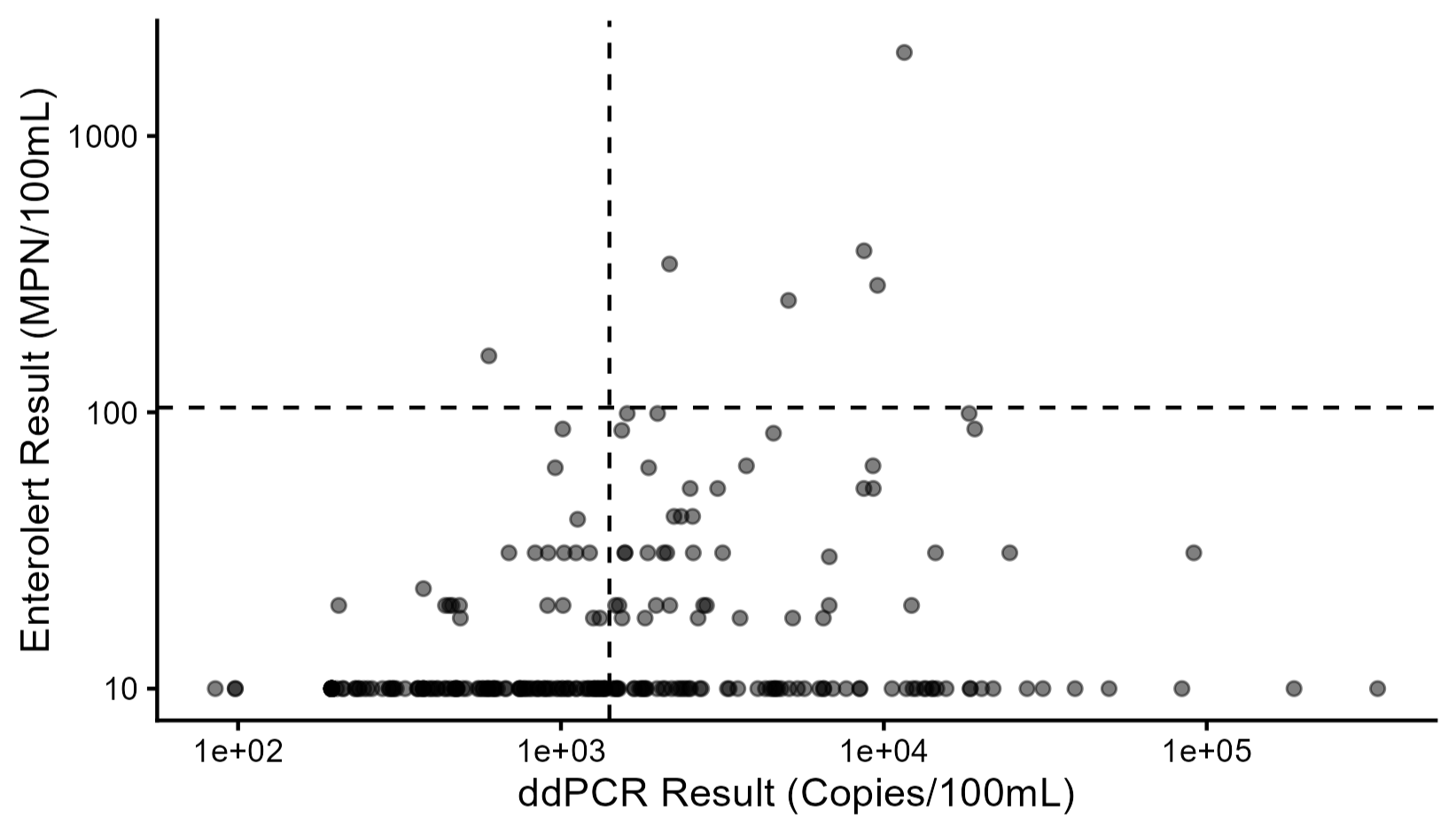 Image: Results from ddPCR and Enterolert tests when both tests were used at the same site on the same day. Dashed lines represent the California state threshold for beach advisories, which are 104 MPN/100mL and 1,413 Copies/100mL for Enterolert and ddPCR respectively.
Community Science and Public Health Are Stronger Together
Perhaps the most important takeaway isn’t that the methods disagree. It’s that protecting public health benefits from multiple approaches.
Government monitoring programs provide the rapid information needed to make same day public health decisions. Community organizations like Surfrider Foundation expand monitoring coverage, engage volunteers, educate the public, and collect valuable long-term environmental data.
Rather than viewing these efforts as competing systems, it’s more accurate to see them as complementary pieces of the same mission.
Clean beaches don’t happen because of one laboratory test or one organization.
They happen because scientists, public health officials, volunteers, and local communities all contribute to understanding and protecting the water we share.