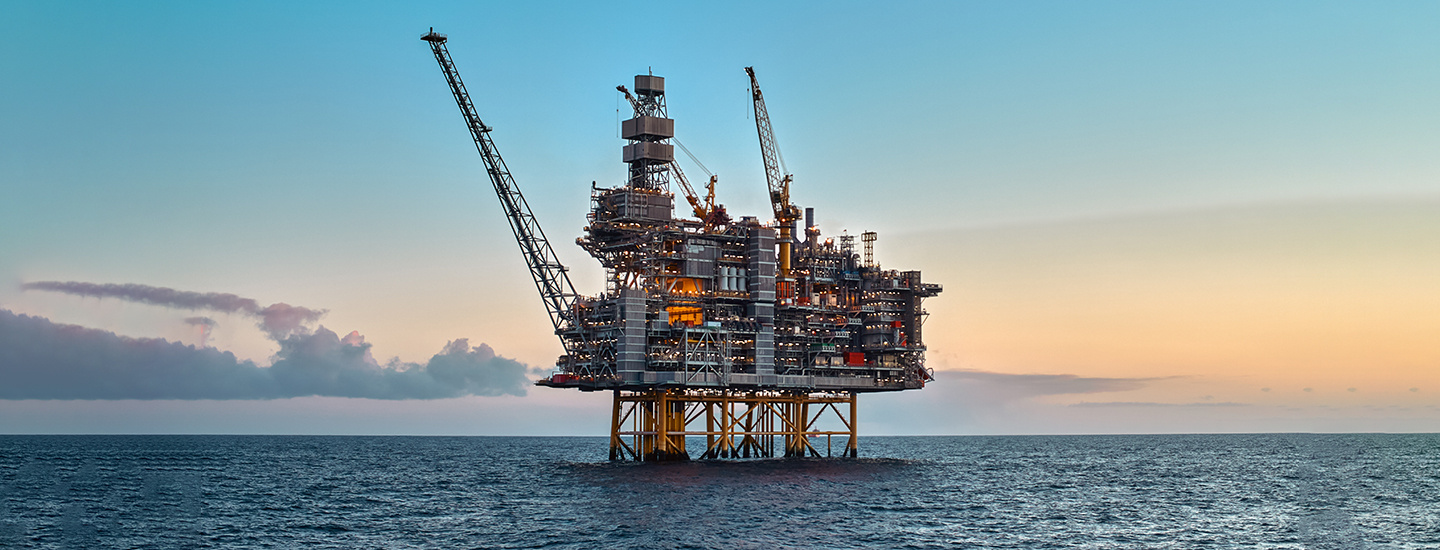
How important are the oceans, waves and beaches to your personal life? Do you enjoy diving deep into your own aquarium experience? Or perhaps you crave getting barreled into a wave to become in sync with nature? Is the beach your calming therapy or favorite place to sunbathe with a picnic? Now imagine an oil spill starts at your favorite beach spot, and suddenly the shoreline is covered in oil with seabirds are struggling to fly, and marine animals washing up to shore dead. I wish this wasn’t a real case scenario, but these are real and repeated consequences of offshore oil development.
As someone who has researched the environmental science behind seismic blasting, examined federal reports on offshore oil spills, and studied the economic impacts on fishing, tourism, and coastal recreation, I have gained a deep understanding of the threats that come with offshore oil drilling.
The US government has no need for more offshore oil drilling, and should limit offshore oil drilling, because it harms marine ecosystems and coastal industries. First, I will explain the effects of seismic blasting used during offshore oil exploration. Next, I will touch basis on how offshore oil spills are inevitable and destructive to ecosystems and coastal economies. Then I will explain why more offshore oil drilling is not needed! Finally, I will offer specific calls to action that you can take. Now I’ll start with the first steps of offshore oil marine disruption.
Seismic blasting is used to survey and estimate offshore oil reserves, but understanding the effects it has on marine life is detrimental. Many may not know how seismic blasting is done. Air-gun arrays are used to emit explosive sound pulses every 10–12 seconds to map oil reserves underwater. There are documented impacts on Marine Mammals including behavioral disruption which leads to marine mammal avoidance, altered migration, and reduced feeding. Physiological harm has also been documented to impact marine mammal potential hearing loss, and altered stress responses. According to Gordon from Gatty Marine Lab, there are ecosystem concerns that can span tens to hundreds of kilometers. Not many know the impacts before drilling occurs, and once it starts, even larger risks emerge.
There are multiple economic impacts that are affected such as coastal recreation, tourism, and fishing industries that generate billions of dollars for the nation. Oil spills are historically inevitable. Chang from University of British Columbia notes that spills closer to shore and human populations have greater economic impacts and are more expensive to clean up. Tides and currents impact the direction of oil exposure to ecosystems. The societal impact of Oil spills lead to health hazards in surrounding communities such as breathing oil vapors, and less tourism to effected shore towns which results in losses of revenue and wages. Harvest bans effect the commercial fishing industry, and influence a decline in market demand for seafood from fears of oil exposure. Now you may be asking that we must be in desperate need of more oil to willingly create these impacts. Current data has been proven otherwise.
The US leads the world in oil production! According to the EIA, the U.S. produced 12.9 million barrels/day in 2023, the highest of any country in history. Our top producing oil contributions come from the inland states of Texas & New Mexico, which can maintain high output. Since more oil drilling has proven to be unnecessary, and creates many problems, what can we do to put a stop to a proposed 1.27 billion acres of added oil drilling?
Here is what you can do to stop the 5-Year Outer Continental Shelf Oil & Leasing Program for 2026-2031. This program was announced by the Federal Government for new oil and gas drilling leases off shores of California, Alaska and the Gulf in areas untouched by new drilling for close to 30 years. There are many opportunities to make a public comment to Bureau of Ocean Energy Management (BOEM) and let them know you OPPOSE new offshore drilling. Another opportunity is to contact your congressional representatives to inform them of your opposition of new offshore oil drilling. If these sound too complicated, you can join forces with Surfrider Foundation to engage in their prompts by clicking this link to submit comments to make your voice heard!
Now that you know how seismic blasting disrupts and injures marine life, and oil spills are inevitable and deeply destructive you can understand that the U.S. does not need more offshore drilling. We need your help as a fellow Ocean Advocate and citizen to take action to influence federal policy. The U.S. must limit offshore oil drilling because it harms marine ecosystems and coastal industry. Keep an eye out for black sludge the next time that you are at the beach or exploring the depths underwater,, because it could be the remnants of an oil spill disaster!
References
Chang, S. E., Stone, J., Demes, K., & Piscitelli, M. (2014). Consequences of oil spills: a review and framework for informing planning. Ecology and Society: A Journal of Integrative Science for Resilience and Sustainability, 19(2). https://doi.org/10.5751/es-06406-190226
Gordon, J., Gillespie, D., Potter, J., Frantzis, A., Simmonds, M. P., Swift, R., & Thompson, D. (2003). A review of the effects of seismic surveys on marine mammals. Marine Technology Society Journal, 37(4), 16–34. https://doi.org/10.4031/002533203787536998
Kreil, E. (2024). United States produces more crude oil than any country, ever. U.S. Energy Information Administration. https://www.eia.gov/todayinenergy/detail.php?id=61545&os=vbkandref%3Dapp
Zhang, B., Matchinski, E. J., Chen, B., Ye, X., Jing, L., & Lee, K. (2019). Marine oil spills—oil pollution, sources and effects. In World Seas: An Environmental Evaluation (pp. 391–406). Elsevier.